

PTA Takes Outdated Approach to Procure QoS System
The Telecom sector around the globe is advancing at a rapid pace and so are their regulatory regimes moving towards cutting-edge regulatory approaches and solutions. However, unfortunately, our national telecom regulator (Pakistan Telecommunication Authority) doesn’t seem to be following the same trajectory. The decision to procure a QoS instead of QoE monitoring and the benchmarking system has surprised many in the industry. While the press release that was even carried by national media have highlighted this ‘benchmarking system’ as if it is something revolutionary. Though, as per industry experts, the QoS system has the same Key Performance Indicators (KPIs) with just the additional feature to carry out surveys on different networks simultaneously. Therefore, it would result in increased efficiency but not efficacy.
The experts have questioned the logic of why PTA hasn’t moved towards more advanced monitoring and benchmarking concept and system like the Quality of Experience (QoE) system which is being followed by regulators globally and measures the more important end-user experience.
The Ministry of Information Technology and Telecom (MoITT) and Cabinet should review PTA’s failing performance as it is pretty much lagging behind other international telecom regulators.
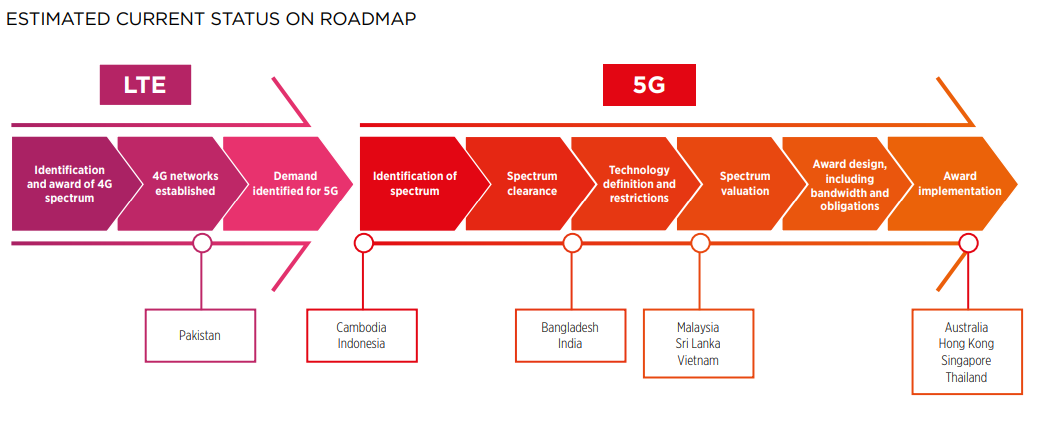
Apart from procuring the outdated QoS procurement, PTA failed to carry out and lure existing mobile operators in the last spectrum auction. Furthermore, there has not been much progress on the proposed launch of 5G and as per the mobile industry association, the GSMA in its recently released report has placed Pakistan as far too behind its Asian counterpart, which surely isn’t a good sign owing to our technological prowess.
Moving back to the subject, let us see the difference between the outdated QoS and the more advanced QoE monitoring concepts to better understand what it entails and how they are both our points of view.
QoS:
QoS focuses on network parameters like latency, jitter, packet loss, R factor, and MOS, and has its roots in old-school telephony performance monitoring and the early days of network performance management. All of these are still applicable today, but with the increased complexity of emerging services, a new generation of QoS is required. One that goes beyond past SNMP and round-trip statistics. Millisecond accuracy and minute measurements are no longer sufficient to identify the subtle changes that can have a substantial influence on next-generation network performance.
QoE:
Quality of Experience (QoE) on the other hand is the advanced cutting edge system that focuses on the end-user experience. IT teams around the globe are focused on QoE in the same way that marketing has moved away from simple technical indicators like open rate and embraced a more holistic strategy of monitoring the complete customer experience.
The litmus test for successful network performance is the end user’s overall contentment or frustration with the network service experience. QoE attains its goal by examining the information within the data sent over the network, and not just the efficiency of data transfer across the network itself. For example, for a VoIP call, QoE would consider echo, conversational quality, audio level, and imperfections.
Though, this level of quality control demands better network traffic analysis, with improved efficiencies and metadata collection algorithms that collect the key performance indicators. The advancements in automation and AI have made that attainable.
Conclusively, for monitoring and benchmarking voice, SMS, and data, the QoE is a much better approach than QoS as it focuses on the end-user experience. So as for any advanced regulator, PTA should also review its decision of procuring the QoS system and instead opt for the more advance and updated QoE system.
Check out? PTA Opposes the Ban on Cryptocurrency Proposed by Various Government Entities