
For years, Hollywood had tried to adapt Neil Gaimans groundbreaking cartoon series The Sandman into a movie or TV show without any project ever making it in front of the camera. The excuses were always the same: It’s too weird. It’s too complex. It just is maladjustment. But Gaiman kept the, ahem, dream alive, insisting that a screen adaptation was not only possible, but also didn’t have to make major changes to the core text. He eventually found like-minded cohorts in writer/producers David S. Goyer and Allan Heinbergand together the three stood at the head The Sandman TV series launching today on Netflix.
More than anything, the show proves Gaiman right. Netflix’s The Sandman (which was produced by Warner Bros. Television with Heinberg as showrunner and Gaiman heavily involved) is a faithful and loving adaptation of a comic that many hold in high esteem, and the series is able to retain much of the source material’s strengths without doing anything serious . missteps that would cast a shadow over the entire company. As far as precarious fantasy adaptations go, the end result is much closer to the spectrum Peter Jackson‘s Lord of the Rings than it is to say that misunderstood Dark Tower movie that came out a few years ago. So Sandman fans, be happy – the show you deserve is the show you get. Whether that can translate into cross-over appeal is another matter, and I have my own concerns about this odd and offbeat series getting lost in the shuffle among the giants Lord of the Rings and Game of Thrones prequels that are also dropping. But perhaps it is wise not to underestimate it. Gaiman’s story has proven solid enough to endure on the page and inspire millions of readers, and there’s no reason it can’t eventually hold true for the TV show as well.

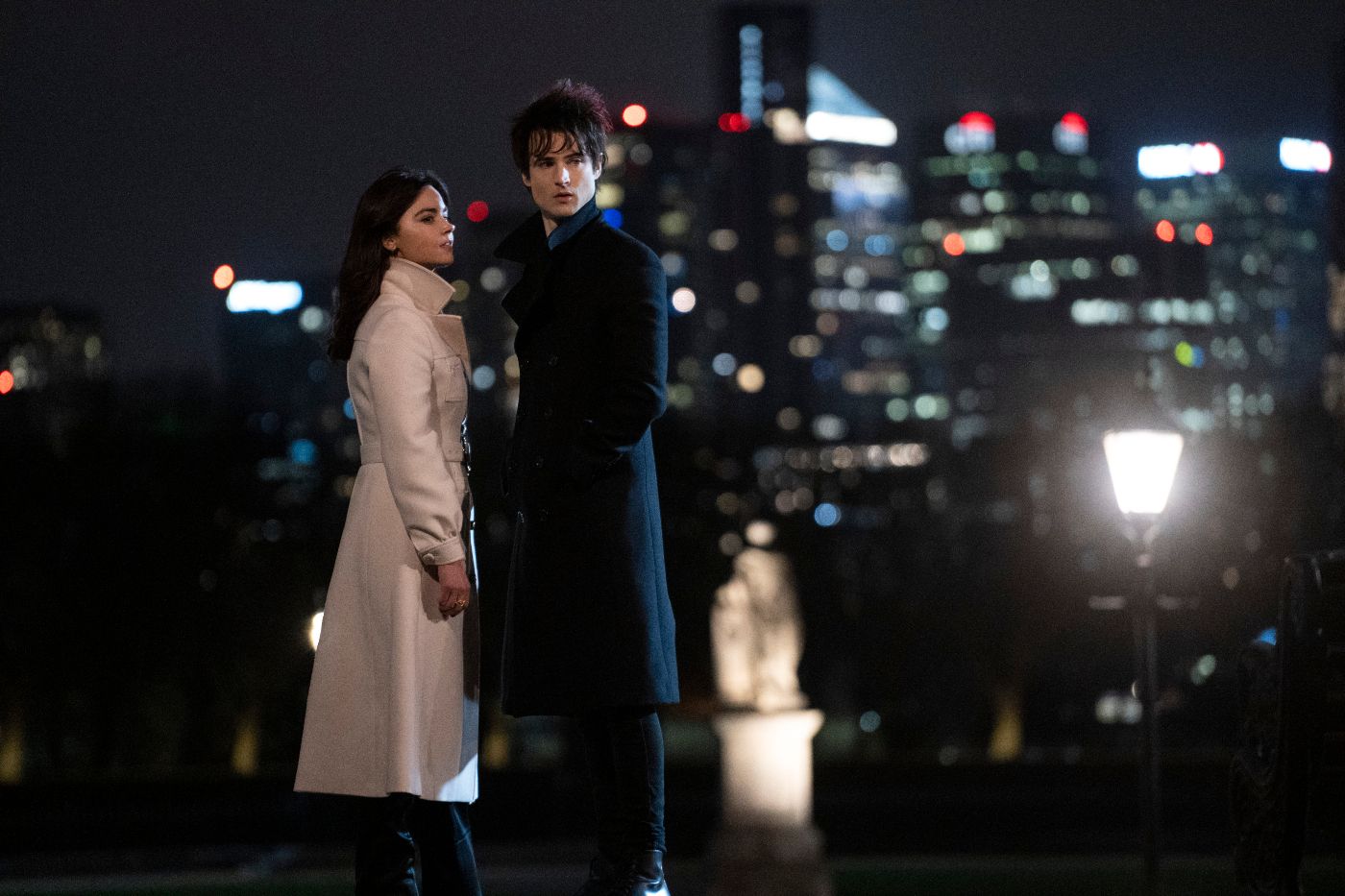
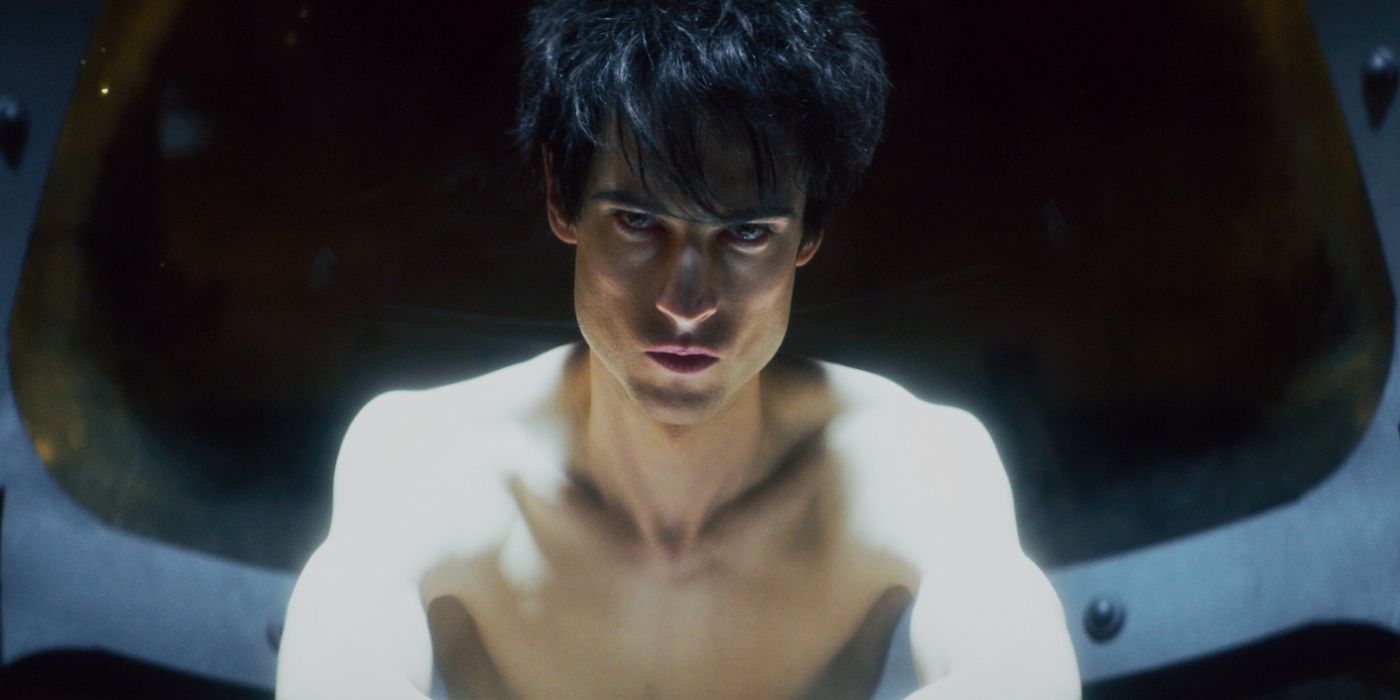
The Sandman is a two-time Tony Award nominee Tom Sturridge as Dream, aka Morpheus, a god-like being who rules over people’s night dreams. The show begins as the cartoon does, with Morpheus imprisoned by a deadly magician (Charles dance) who tried to capture Dream’s sister, Death, and ended up with the wrong god in his basement. (Dream and Death are both part of The Endless, a “family” of beings that represent a fundamental aspect of humanity.) The show states its epic intentions early with a first episode that spans more than a century, when a sleeping plagues the world while Dream remains in captivity. He eventually escapes, but is immediately confronted with a series of pressing concerns. First, three items of great magical power have been stolen from him, leaving Dream in a weakened state and in need of restoration. Second, his realm, The Dreaming, has suffered in his absence, its buildings decaying and most of its inhabitants fleeing. Third, a particularly nasty resident of The Dreaming called the Corinthian (Boyd Holbrook), a literal nightmare with teeth where his eyeballs should be, has escaped to the real world and gone on a killing spree. And fourth, a young woman named Rose Walker (Kyo Ra) has been identified as a Dream Vortex, a human who has the power to enter the dreams of others and impose his will on The Dreaming.
For fans of the comic, this should all sound all too familiar, and the season actually offers a fairly straightforward adaptation of the first two graphic novels in The Sandman series: “Preludes & Nocturnes” and “Doll’s Home”. There are some small liberties – for example, the Corinthian appears earlier in the series than he does in the comics – but they mostly exist to tie together a series of stories that are a little less connected in the comics and make them feel like a single, total TV season. But the basic structure of the comic remains intact, and Dream’s quests take him to places as exotic as Hell and as terrifying as Florida. To non-fans, this may all sound like a bunch of nonsense, and it’s to the show’s credit that it’s able to translate the comic’s lyrical but sometimes labyrinthine story to the screen in a way that feels natural and welcoming. While the effects are sometimes impressive (if often blatantly digital), it ends up not being the world-building or fantastic visuals tasked with making the story work in a new medium, but rather the actors themselves. In the comics, Dream largely takes the form of a human but is clearly not one, his impossibly black eyes set with pupils that look like stars, and the text of his speech is always noted as otherworldly by being encased in jagged black dialogue bubbles. In the show, Sturridge’s Dream is obviously less abstract. He mostly looks like a normal guy, albeit one with impossibly good hair, and speaks in a normal human voice. But he carries himself with a kind of ethereal remoteness that cuts to the core of the character, and it’s not hard to buy him as a being who isn’t human but becomes more like one over the course of the story. If Sturridge doesn’t work then The Sandman doesn’t work, so thankfully the actor is able to bring Dream to life in a way that is both compelling and relatable to fans.


Other standouts in the large cast (some of whom only appear in an episode or two) include the perfect cast Kirby Howell-Baptiste like Death; David Thewlis as John Dee, a sick man with dark ambitions who comes into possession of Dream’s magical ruby dream stone; and Ferdinand Kingsley as Hob Gadling, a human who gains immortality from death and develops a unique friendship with Dream over the decades. These three end up serving as the focal points of episodes 5 and 6 — two hours that serve as the undisputed highlights of the season. “Chapter 5: 24/7” adapts the disturbing and dramatic “24 Hours” edition of the comic series, trapping a group of unsuspecting patrons in a diner with Dee, who then decides to start remaking the world on his own. . Then, “Chapter 6: The Sound of Her Wings” tackles two iconic issues at the same time: the one of the same title, which features Dream accompanying Death as she goes about her daily duties, as well as number 13, “Men of Good Fortune ,” which finds Dream meeting up with Hob every 10 years to discover how immortality treats him. Although the rest of the series did not work, Netflix’s The Sandman would be worth it for these two hours, with the sixth episode in particular emotionally resonating at the impressive level the comic was often capable of reaching.
Other episodes vary a little more in quality, but never dip below a line where you’d start to question the whole. A common complaint might be that the season-closing Rose Walker/Dream Vortex arc ends up being the show’s weakest, and it’s true that these episodes suffer from some tonal inconsistencies as well as a few performances by actors who clearly don’t are so seasoned. such as Dance or Thewlis. There are also some roles that don’t get enough screen time to be as effective as you might remember from the page. Appearances by two other members of The Endless, Desire and Despair, are so brief they can almost be considered cameos. And while Game of Thrones‘ Gwendoline Christie while Lucifer seems like good casting in theory, the TV show version of the character never quite matches its devilishly charming comic book counterpart.
There’s no doubt that an as-yet-unannounced second season could help flesh out and enrich some characters that didn’t feel fully fleshed out during the first go-round but still have big parts to play. And based on the number of intriguing hooks Heinberg, Gaiman and company lay out over the course of these 10 episodes that tease future developments — not to mention a humdinger of a final scene — it’s clear that everyone involved is hoping for a shot at to expand this world further. It’s a good dream to have and if this first season of The Sandman proves something, it’s that even dreams that may seem impossible can sometimes come true.
Evaluation: B+
Season 1 of The Sandman is available to watch on Netflix starting today. All 10 episodes were made available for review.