

Why Marvel’s Phases 5 and 6 Could Kill Movie Theaters – newsdubai
Marvel Studios’ 2022 releases have grossed nearly $1.7 billion between them Doctor Strange in the Multiverse of Madness and Thor: Love and Thunder. The superhero studio is also set to release its third film this year, Black Panther: Wakanda Forever on Nov. 11, which could become the highest-grossing of the three after the original film earned over $1.3 billion alone.
Overall, 2022 has been a bounce-back year for the box office after the pandemic wreaked havoc on theatrical releases in 2020 and 2021. There have been highlights including Top Gun: Maverick‘s historic performance of $1.4 billion, and Spider-Man: No Way Home shattered records while earning $1.9 billion globally before its September 2 re-release.
While high-grossing blockbusters are good for the current revival of theaters, a bigger problem lies beneath the jet fuel and cobwebs.
Are the cinemas doomed?

After the early July juggernauts (Thor 4 and Minions 2) hit the cinemas, the box office entered a historically tough development. As more data, tracking and projections are calculated, it’s becoming clearer that the 2022 domestic box office will earn about 2/3 of what was made during 2019. That’s about $7 billion at this year’s box office ($11.4 billion in 2019).
If you’re not convinced, look no further than Cineworld considering filing for Chapter 11 bankruptcy in the US. The company that owns Regal Cinemas is already $5 billion in debt and could not avoid this restructuring plan as the box office fountain quickly ran dry.
As Puck’s Matt Belloni recently pointed out, a movie might not open $25 million at the box office until Halloween ends or Black Adam in October. Two months of staggeringly low audiences is not sustainable for theater companies still struggling for a near-death experience due to the pandemic.
When the drought finally ends, 2022 should end with some big successes like Black Panther 2 and Avatar: The Way of Waterbut this sets an incredibly unstable precedent for cinema companies.
Addiction to big-budget blockbusters produced by Disney, Warner Bros, Universal and Paramount is at an all-time high. This is mainly because the smaller budget productions produced by these companies are sent to their respective streaming services or licensed to Apple TV+, Netflix or Amazon.
The highest grossing films that took off during the 2010s were cartoon films. In 2019, when global box office revenue was at a record $42.5 billion, four of the top six grossers were superhero films, all grossing over $1 billion worldwide.
Hollywood is moving toward a future of event-style movie production, while more streamlined direct-to-consumer content will continue to shrink the big screen. Cinemas are falling down a path of destruction and Marvel may be either their only hope or what officially puts them in the ground.
The future of Marvel Studios in theaters

At San Diego Comic-Con, Marvel CCO Kevin Feige did what he does best: create hype. Feige could write a novel, teach a class, or create a tutorial to build suspense and anticipation.
No punches were pulled in Hall H as Feige and company presented not only the MCU’s fifth phase, but also teased an Avengers-filled sixth phase to conclude the newly titled “Multiverse Saga.”
This marketing tactic is a staple of Marvel Studios teasing what’s on the horizon, even though dates will most likely change, casting may not be completed, or a project may end up being scrapped altogether. Fans don’t care, and Marvel knows it. Part of keeping the audience interested in what is currently happening is the promise that major events are imminent.
These Marvel-generated events are always held in theaters, where audiences flock to the biggest, baddest premium screening they can find.
The National Association of Theater Owners may have been even more excited than fans were about Feige’s Sal H promises.
Marvel Studios will tie a record it set in 2021 with four films released by the studio in 2023. While Marvel is focusing heavily on streaming to Disney+, it remains dedicated to packing theaters until at least 2025.
How Marvel Could Kill Movie Theaters
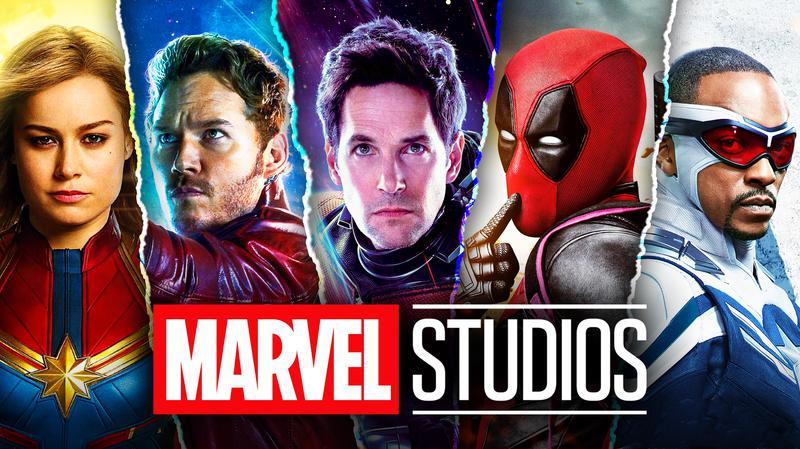
This may seem backwards, but understand that the MCU is an important crutch of theaters moving forward. What happens when the crutch starts to wobble, wiggle and possibly even break in half?
There are no facts attached to this, but many moviegoers believe that Marvel fatigue could become a real thing. So far this has not been the case Spider-Man: No Way Home grossing nearly $2 billion (without a wide release in China) and Multiverse of Madness nearly $1 billion in itself.
So how could Marvel kill movie theaters? Slow and painful.
At least 12 MCU movies will hit theaters between 2023-2025. During the past 9 months, No way home, Doctor Strange 2and Thor 4 has contributed a significant percentage of the total revenue at the national and global box office.
As previously mentioned, the future of the cinemas will largely depend on the “sure” hits such as Captain America or The Avengers. If Marvel fatigue quickly sets in, or newer characters and team-ups don’t draw the same penny they did from 2012-2019, some theaters may not survive.
While more likely than not to be big box office hits, upcoming Marvel projects such as Thunderbolts, The Marvelsand Blade is not guaranteed.
Although not a perfect comparison due to the health climate at the time, but phase 4 films Shang-Chi and the Legend of the Ten Rings, Black Widowand Eternal combined for around $573 million at the domestic box office. No way home alone made exactly the same amount.
Tom Holland’s third Spidey film was an anomaly and not a sign of consistent historical gross. Cinema chains may have to consider downsizing, selling property and redefining what a trip to the cinema means.
Outside of Marvel, Star Wars has been quiet on the film front, focusing most of its attention on Disney+ series such as The Mandalorian. The other major cartoon film studio, Warner Bros. Discovery and DC Films, will try (again) to get a successful cinematic universe going under new management. But it may take years and 2017 Justice League grossed an astounding $657.9 million, far short of Marvel’s The Avengers, grossed $1.5 billion worldwide in 2012.
2023 may be an improvement over 2022, but the reliance on blockbuster hits is glaring. Marvel Studios has proven to be the leading studio in distributing consistent hits over the last decade and could define where the theatrical industry is headed over the next decade.